Classic Martini Cocktail
Homemade recipes you'll love making.
Classic Martini Cocktail
So, I absolutely love elegant drinks that are easy to make—yeah, I know, shocking! That’s exactly why I’m obsessed with this Classic Martini. It’s pure elegance in a glass: clean, ice-cold, and surprisingly simple to make at home. This cocktail is an absolute icon, we all know that, so knowing how to make it is a total must if you love flavors, balance, and the art of mixology. Here you’ll learn how to nail that perfect gin-and-vermouth balance that feels sophisticated but is honestly zero complicated, giving you a unique, classic, and timeless drink… so yeah, let’s make it!

Classic Martini Cocktail
Servings:1 cocktail
Prep Time: 3 minutes
Ingredients
- 2 1/2 oz gin (75 ml)
- 1/2 oz dry vermouth (15 ml)
- Plenty of ice for chilling
- 2–3 green olives stuffed with pimento, for garnish
Tools you’ll need
- Mixing glass
- Jigger for measuring ounces
- Bar spoon
- Martini glass, well chilled
See 5 variations of the recipe at the end.

You might also be interested in:
Did You Know?
The martini is so iconic that no one can fully agree on its “original” recipe—but interestingly, almost everyone agrees on one thing: if it’s not ice-cold, it’s simply not a martini.
Instructions
- Let’s get started—you’ll see how easy this is. First things first, fill the mixing glass all the way with clean, solid ice. This chills the drink faster and melts more slowly, giving you better control over dilution right from the start and keeping the flavor exactly where it should be.
- Next, add the gin and dry vermouth using a jigger to measure properly. Don’t eyeball it—unless you’re already a pro. In a Classic Martini, every fraction of an ounce matters, and careful measuring is what gives you that elegant, spot-on balance between botanical gin and dry vermouth. Trust me on this.
- Then gently stir with a bar spoon for about 20 to 30 seconds, using slow, smooth, circular motions. Easy does it—no force here. The goal is to chill the cocktail and reach the perfect level of dilution without beating it up or cracking the ice.
- After that, strain the mixture directly into a well-chilled martini glass, making sure no ice shards sneak in. Use your strainer for control. This is how you get that clean, crystal-clear look that defines a properly made martini with real character.
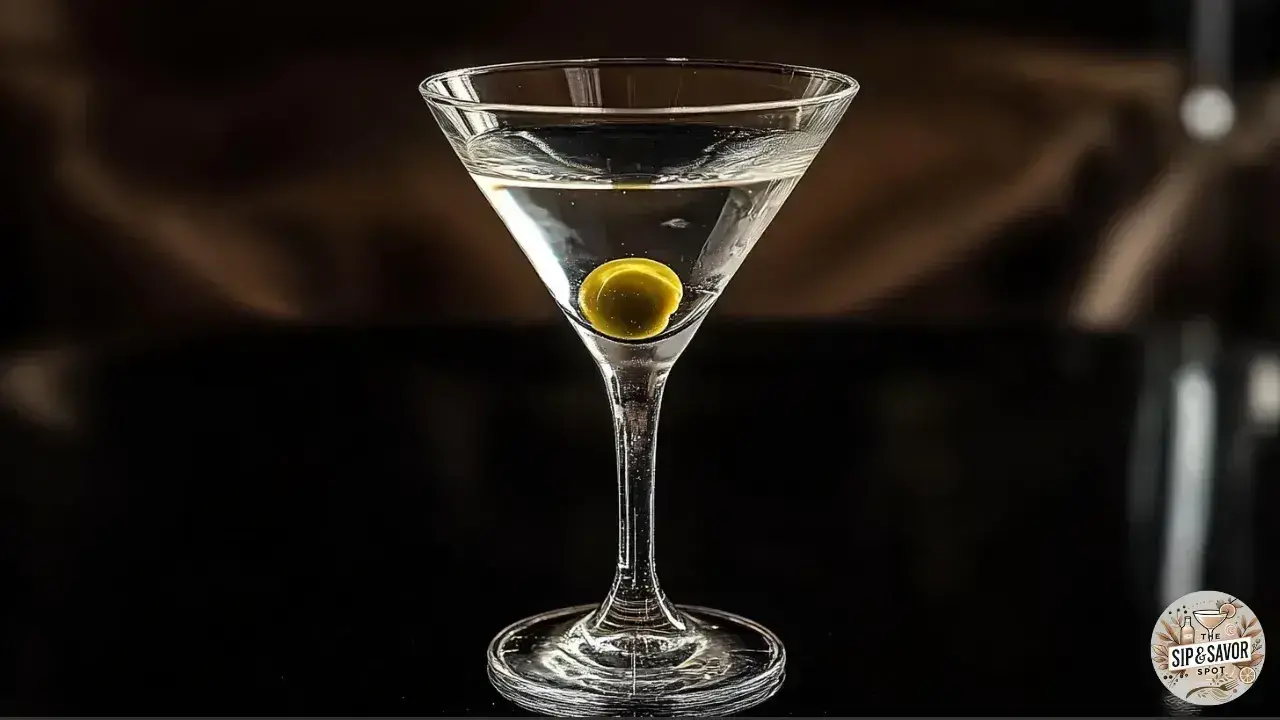
- And that’s it. Garnish with 2 or 3 olives, gently dropping them into the glass or, even better, skewering them on a cocktail pick. Serve immediately and enjoy it ice-cold, right at its sweet spot—its perfect moment. You’re going to love it.


Prep Tips
- Well-chilled glass: Always chill your martini glass before you start. A properly cold glass makes the drink feel cleaner and more elegant from the very first sip.
- Quality ice: If you can, use large, solid ice. It melts more slowly and helps chill the drink without watering down your martini.
- Always measure: Always use your jigger. In a martini—and honestly in almost any cocktail—a small change in ounces makes a huge difference in balance and flavor.
- Stir with intention: Stir for 20 to 30 seconds, don’t rush it, do it with care. Your goal is to chill and dilute just enough, not to beat up the cocktail.
- Adjust to your taste: If you like it drier, drop the vermouth to 1/4 oz (7 ml). If you want it more aromatic, bump it up to 3/4 oz (22 ml).
- Fresh vermouth: Always use fresh, well-sealed vermouth. If it’s been open for months, chances are it’s lost its magic and can even turn bitter.
- Good garnish: Garnish with good-quality, good-looking olives. That gentle saltiness is part of the classic martini charm.

Tasting Notes
- First impression: This is one of my favorites—super cold, clean, with a dry, herbal aroma that feels fancy but effortless.
- On the palate: The gin comes through with its botanical notes, while the vermouth adds a subtle floral, lightly wine-like touch.
- Finish: Dry and crisp, with a very subtle salty finish if you’re using pimento-stuffed olives.
- Overall feel: A true classic cocktail—minimalist, elegant, and straight to the point. The kind that feels like a night out, but from the comfort of your own home.

Common Mistakes (What NOT to Do)
- Old vermouth: Keep this in mind—don’t use vermouth that’s been sitting around at room temperature for too long. It can ruin your martini with flat or bitter notes.
- Don’t shake it: Never shake it if you’re going for a clean Classic Martini. Shaking makes it cloudy and changes the texture.
- Over-stirring: Don’t stir for a full minute or more, or you’ll end up with an over-diluted, lifeless drink.
- Not enough ice: Don’t skimp on ice—it melts faster and waters the drink down.
- Warm glass: Never serve it in a warm glass. You’ll lose that cold hit in seconds.
- No eyeballing: Don’t free-pour unless you’re a pro. Measure first, then tweak.
- Poor-quality olives: Don’t use low-quality or overly vinegary olives. At best, they leave an aggressive finish.
- Accidental brine: Don’t add olive brine unless you’re making a dirty martini—even a small splash completely changes the drink.
FAQ
- Can I use vodka? Absolutely. You can make it with vodka—use 2 1/2 oz (75 ml) and keep the dry vermouth at 1/2 oz (15 ml).
- How dry is it? That’s totally up to you. The classic ratio uses 1/2 oz (15 ml), while extra dry drops it down to 1/4 oz (7 ml).
- Should I shake or stir? Remember, stirring gives you that crystal-clear look, while shaking makes the drink cloudy.
- How long should I stir? About 20 to 30 seconds, gently, is usually perfect for proper chilling and dilution.
- Which glass should I use? A chilled martini or coupe glass. Cold glassware always keeps the drink tight and flavorful.
- How many olives should I use? Traditionally 1 to 3—but honestly, three look fantastic.
- Which olives are best? Look for firm green olives, ideally stuffed with pimento.
- Can I make it dirty? Of course. Add 1/4 oz (7 ml) for a lightly dirty martini or 1/2 oz (15 ml) for a bolder one.
- How do I make it colder without watering it down? Use plenty of solid ice and always serve it in a well-chilled glass.
- When should I drink it? Right away. A martini really shines in the first 5 to 10 minutes.

Recommended Pairings
- Try it with marinated olives and salty mixed nuts.
- Soft cheeses like brie or camembert work beautifully.
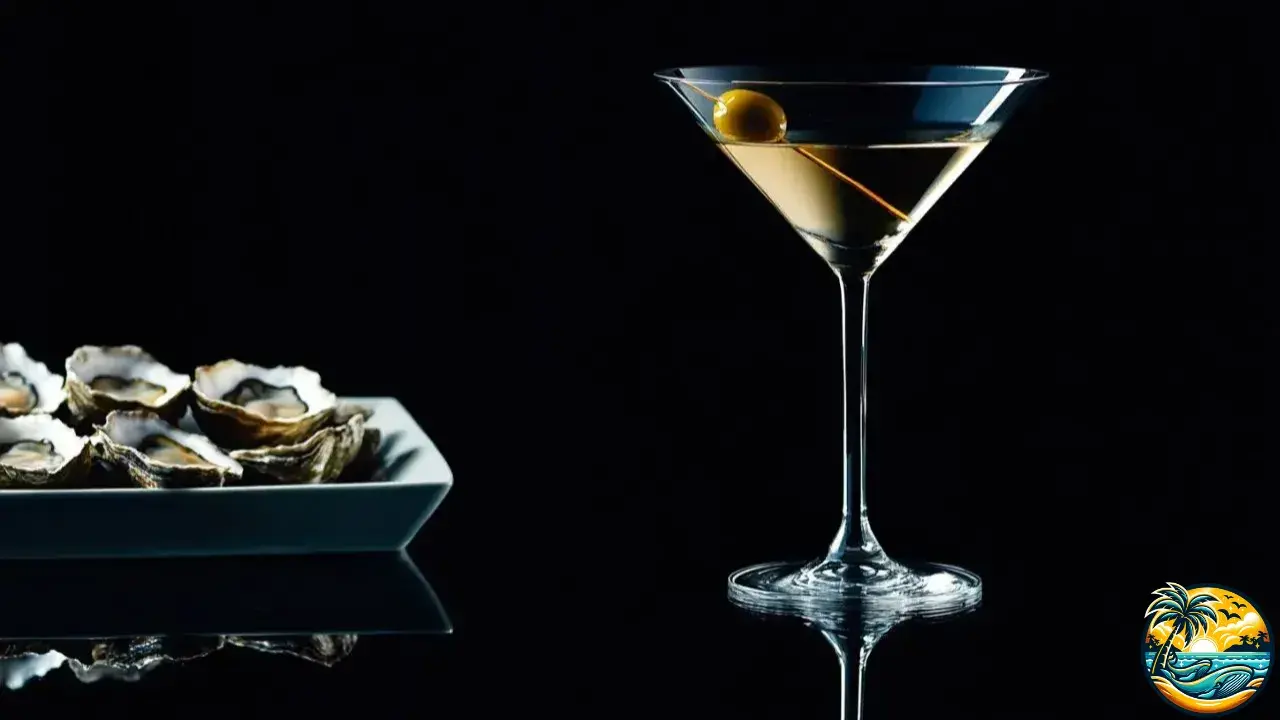
- Fresh oysters or chilled seafood are a great match.
- Serve it alongside smoked salmon or gravlax.
- Crispy snacks like gourmet crackers or thin-cut chips.
Recipe Variations
- Vodka Martini: Simply swap the gin for vodka. You’ll get a cleaner, more neutral, ultra-smooth flavor.
- Extra Dry Martini: Reduce the vermouth to 1/4 oz (7 ml) or just rinse the glass for that much drier profile.
- Dirty Martini: Add 1/4 to 1/2 oz of olive brine (7–15 ml) for a bolder, saltier kick.
- Gibson: Swap the olives for a pickled onion for a classic, elegant twist with its own personality.
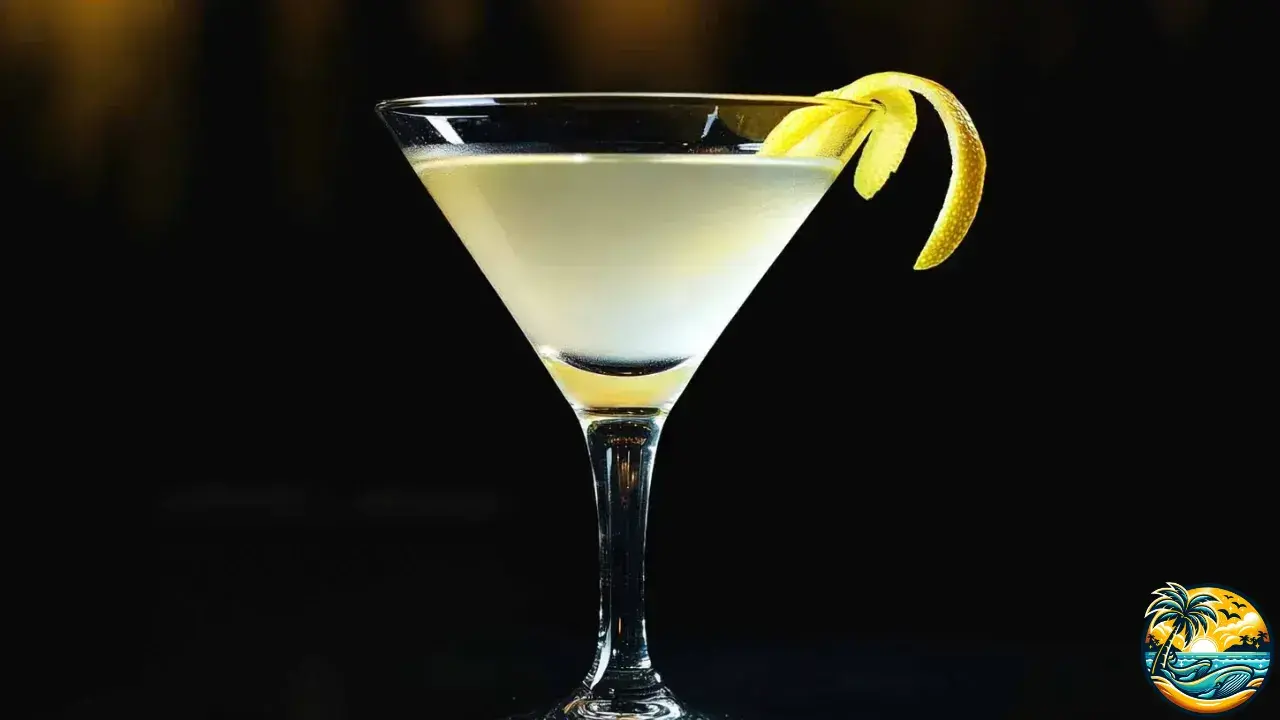
- Twist Martini: Replace the olives with a lemon twist for a fresh, citrusy, aromatic finish.
Nutrition Information (per serving)
Calories: 185 kcal | Protein: 0 g | Healthy fats: 0 g | Carbohydrates: 2 g | Natural sugars: 0 g | Fiber: 0 g | Sodium: 35 mg
So, the Classic Martini Cocktail is not only an elegant and easy-to-make drink that can be the perfect touch for any special occasion or a quiet night, but it is also incredibly famous not just in the country but around the world. With its refreshing and sophisticated flavors, it’s a recipe that not only impresses but also invites you to enjoy unique moments. Just remember, always drink responsibly. Cheers!


Tastes of La Paz.
Classic Martini Cocktail
Servings:1 cocktail
Prep Time: 3 minutes
Ingredients
- 2 1/2 oz gin (75 ml)
- 1/2 oz dry vermouth (15 ml)
- Plenty of ice for chilling
- 2–3 green olives stuffed with pimento, for garnish
Tools you’ll need
- Mixing glass
- Jigger for measuring ounces
- Bar spoon
- Martini glass, well chilled
Instructions
- Let’s get started—you’ll see how easy this is. First things first, fill the mixing glass all the way with clean, solid ice. This chills the drink faster and melts more slowly, giving you better control over dilution right from the start and keeping the flavor exactly where it should be.
- Next, add the gin and dry vermouth using a jigger to measure properly. Don’t eyeball it—unless you’re already a pro. In a Classic Martini, every fraction of an ounce matters, and careful measuring is what gives you that elegant, spot-on balance between botanical gin and dry vermouth. Trust me on this.
- Then gently stir with a bar spoon for about 20 to 30 seconds, using slow, smooth, circular motions. Easy does it—no force here. The goal is to chill the cocktail and reach the perfect level of dilution without beating it up or cracking the ice.
- After that, strain the mixture directly into a well-chilled martini glass, making sure no ice shards sneak in. Use your strainer for control. This is how you get that clean, crystal-clear look that defines a properly made martini with real character.
- And that’s it. Garnish with 2 or 3 olives, gently dropping them into the glass or, even better, skewering them on a cocktail pick. Serve immediately and enjoy it ice-cold, right at its sweet spot—its perfect moment. You’re going to love it.
Calories: 185 kcal | Protein: 0 g | Healthy fats: 0 g | Carbohydrates: 2 g | Natural sugars: 0 g | Fiber: 0 g | Sodium: 35 mg
*Alternative for the Jigger
If you don't have a jigger, you can use:
Measuring spoons:
- 1 oz = 2 tablespoons (30 ml)
- 1/2 oz = 1 tablespoon (15 ml)
Kitchen measuring cups:
Many kitchen measuring cups have markings for ounces and milliliters, allowing you to accurately measure the necessary ingredients without any problem.
*Alternative for the Shaker
If you don't have a shaker, try one of these alternatives:
Jar with a lid (like a Mason jar):
Fill it with the ingredients and ice, seal the lid tightly, and shake it like a shaker. It works great for mixing and chilling ingredients.
Coffee thermos:
A coffee thermos (well cleaned, to avoid mixing smells or flavors) can function as a shaker when closed and shaken. It’s a solid option.
Tall glass and spoon:
If your mocktail or cocktail doesn’t need a strong shake, simply mix the ingredients directly in the glass with a long spoon (or bar spoon, if you have one) and add ice at the end.

Tastes of La Paz.